

Just because your grass has stopped growing does not mean your lawn is done for the year. Late fall in Georgia is the last window to protect your turf, clean up your beds, and set up a strong spring. What you skip now shows up as a problem in March.
The lawn has slowed down. The mowing schedule has stretched out. The yard looks quiet, and it is easy to assume there is nothing left to do until spring arrives. That feeling is one of the most common reasons we see Georgia lawns come out of dormancy looking thin, weedy, and uneven year after year.
Late fall lawn care in Georgia is not a maintenance-free period for homeowners. It is the final stretch of the lawn care calendar, and the tasks that belong in this window are different from everything that came before. They are not about pushing growth or managing heat stress. They are about protecting what you have built, closing out the season cleanly, and giving your lawn the best possible starting position when temperatures rise again.
At Mansell Landscape Management, we work with homeowners across Atlanta, Marietta, Woodstock, Kennesaw, Roswell, Alpharetta, and all of metro Atlanta through every month of the year. Here is what late fall lawn care in Georgia actually looks like and why it still matters even after the grass has gone quiet.

Understanding Late Fall Lawn Care in Georgia: What It’s Actually Doing
Dormancy Is Not the Same as Done
Warm-season grasses like Bermuda, Zoysia, and Centipede go dormant in late fall, which means visible growth has stopped and the blades have browned or faded. A lot of homeowners interpret that as the lawn being finished for the year. In reality, the root system is still alive and still responsive to what is happening above and below the soil surface.
Dormant grass is not dead grass. It is grass that has shifted its energy away from above-ground growth and toward root maintenance and energy storage. That distinction matters because what you do to your lawn during dormancy, and what you leave undone, has a direct effect on the root system that will drive next spring’s recovery.
Why Late Fall Lawn Care in Georgia Is Still Worth Your Attention
Georgia’s winters are mild compared to most of the country, which means the soil never fully freezes and root activity never completely stops. That mild climate is an advantage, but it also means the lawn remains somewhat vulnerable through the winter in ways that cold-climate grasses simply are not. Fungal disease, winter annual weeds, and soil compaction all continue to develop on a Georgia lawn through December and January if late fall care is skipped.
The work done now is quiet work. You will not see the results until spring. But the difference between a lawn that received proper late fall attention and one that did not is visible and significant by the time March arrives.

Final Mowing: How to Finish the Season Right
The Last Cut of the Year
One of the most common late fall lawn care in Georgia care questions we hear from homeowners is when to stop mowing. The answer is not a specific date. It is tied to growth. When your warm-season grass is no longer producing meaningful new growth, typically when temperatures consistently stay below 55 to 60 degrees, it is time for the final cut of the season.
For that last mow, drop the cutting height slightly from where you have been running it through the fall. Not dramatically lower, just a notch down from your standard summer and fall height. Slightly shorter grass heading into dormancy reduces the risk of matting, which can trap moisture and create ideal conditions for fungal disease over the winter months.
Do Not Scalp the Lawn
Cutting too short at the end of the season is a mistake that shows up in the spring. Scalping removes the layer of dormant material that provides some insulation for the root crown. For Zoysia in particular, which is common across metro Atlanta, scalping in late fall can cause significant damage that takes most of the following season to recover from. A modest trim, not a dramatic cut, is the right call.
Leaf Removal: Finishing What October Started
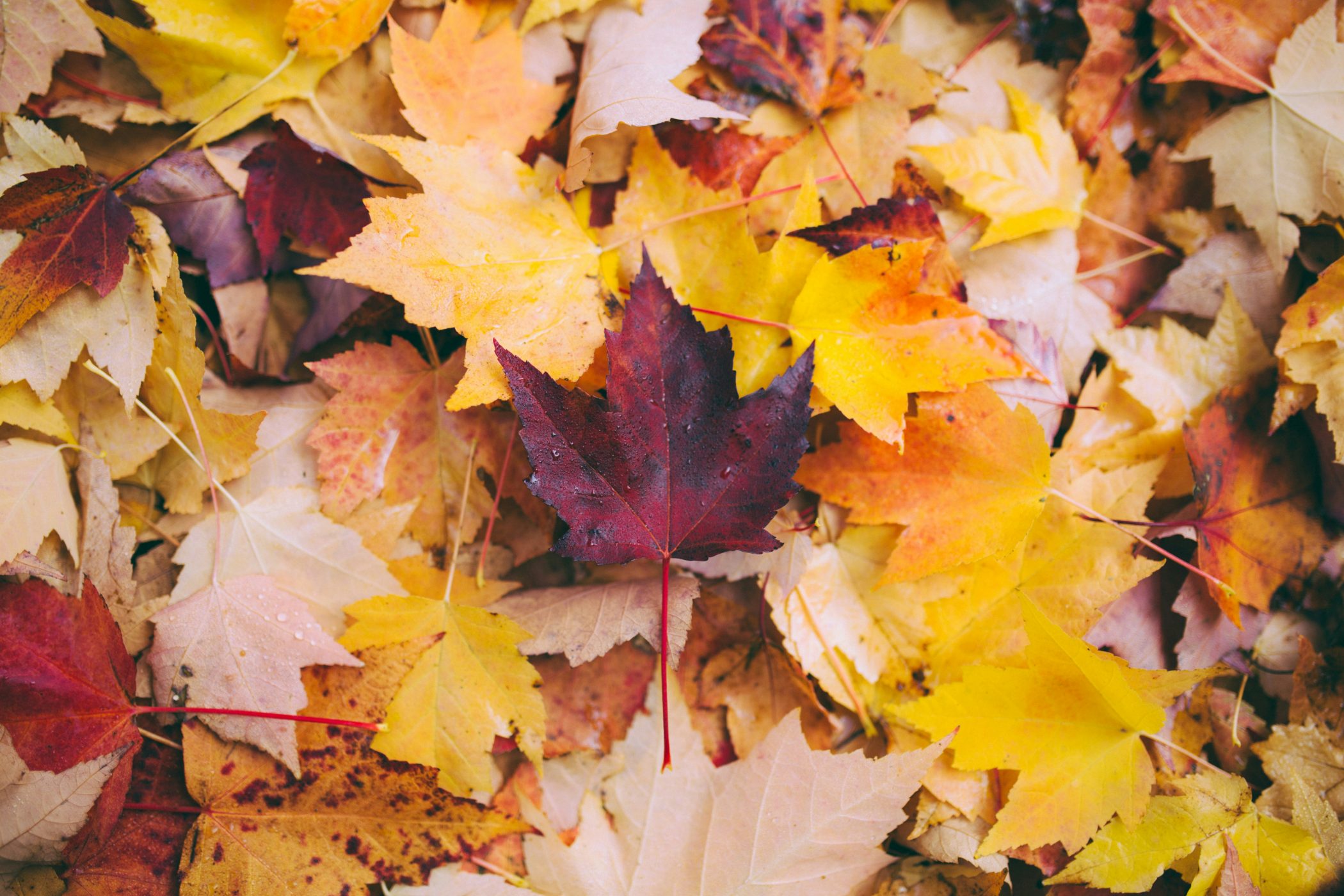
If you managed leaf accumulation through October, late fall is about keeping that momentum through the peak of leaf drop. Many of the larger trees across metro Atlanta and the surrounding area do not finish dropping leaves until well into November, which means the leaf management work is not done just because the calendar has turned.
The same principle that applied in October applies now. Thick leaf accumulation left sitting on dormant grass blocks the limited sunlight reaching the turf, traps moisture, and creates conditions that encourage disease and pest activity through the winter. A layer of leaves that sits undisturbed from November through February is one of the more reliable ways to arrive at spring with a lawn full of problems.
Mulching lighter coverage with a mowing pass still works in late fall. For heavier accumulation, removal is the better call. The goal heading into December is a lawn surface that is reasonably clear, not buried under compacted leaf matter that will take months to break down.

Late Fall Lawn Care in Georgia Fertilization: Know When to Stop
Why You Should Not Fertilize Late in the Season
Late fall lawn care in Georgia does not include heavy fertilization, and it is worth being clear about why. High-nitrogen fertilizer applied to a dormant or near-dormant warm-season lawn pushes soft blade growth at exactly the wrong time. That tender new growth has no cold hardiness and is highly susceptible to frost damage. It also diverts energy away from root maintenance and storage, which is where the plant needs its resources during dormancy.
If you applied a potassium-focused fertilizer in September or early October, your late fall lawn care in Georgia is in good shape heading into the dormant period. If that window was missed entirely, a very light potassium application in early November can still provide some benefit for root hardening, but the window closes quickly. By mid to late November in most of metro Atlanta, fertilization is no longer productive and risks doing more harm than good.
Our lawn treatment services are scheduled around Georgia’s actual soil temperature data and grass type requirements, which removes the guesswork from timing decisions like this one.
Winter Weed Control: The Battle Continues Underground
Winter annual weeds are actively establishing in Georgia lawns right now. Henbit, chickweed, annual bluegrass, and hairy bittercress germinated in the soil weeks ago and are developing root systems that will support explosive growth when temperatures moderate in late winter. By the time most homeowners notice these weeds in February or March, they are already well-established and far more difficult to manage.
If a pre-emergent herbicide was not applied in September or October, a post-emergent treatment targeting young winter annual weeds in early to mid November can still reduce the population significantly before they mature and set seed. The window for effective post-emergent control on these species is narrow. Young plants respond to treatment. Mature plants, by late winter, are much more resistant.
This is one of the areas where professional management through a landscape maintenance program provides the most consistent return. Weed control timing that is calibrated to what is actually happening in the soil produces better results than applications based on a generic calendar.
Planting Beds: Close Out the Season Properly
Final Bed Cleanup
Late fall is the time to finish what October started in the planting beds. Any perennials that have not been cut back, any annuals that have finished their season, and any debris that has accumulated in the beds through the fall should come out now. Leaving dead plant material in the beds over winter creates shelter for pests and a food source for fungal pathogens that will carry over into next year.
Ornamental grasses can stay up through most of the winter for visual interest and wildlife value. Plan to cut them back in late February or early March before new growth begins, not in late fall when cutting them back removes the winter structure they provide.
Mulch Depth Check
If you refreshed mulch in October, a quick check of depth is worth doing in late fall. Mulch breaks down and settles, and areas that were at two to three inches in October may have thinned out by now. Maintaining adequate mulch depth through the winter regulates soil temperature, reduces freeze-thaw stress on shallow root systems, and continues to suppress the winter annual weeds that are trying to establish.
Pull mulch back slightly from the base of shrubs and tree trunks rather than mounding it against the bark. Crown rot from mulch piled against woody tissue is a common and preventable problem that shows up in spring.
Trees and Shrubs: What to Do and What to Leave Alone
Late fall and early winter is actually an acceptable time to do some structural pruning on deciduous trees and shrubs once they have fully dropped their leaves. With the foliage gone, the branch structure is visible and crossing or rubbing branches are easy to identify and remove. Dead wood is also easier to spot without leaves obscuring it.
What to avoid is heavy pruning of spring-flowering shrubs like azaleas, loropetalums, and forsythia. These plants set their flower buds in late summer and fall. Pruning now removes next spring’s blooms. Save those plants for after they finish flowering in the spring.
For any trees or large shrubs that need more significant work, late fall and winter are good times to schedule that work with a professional. Dormant pruning causes less stress to the plant and reduces the risk of pest and disease entry through fresh cuts.
Our landscape design and installation team handles plant installation through late fall as well. November and December are strong planting months in Georgia for trees, shrubs, and perennials that will benefit from the full winter to establish roots before summer arrives.

FAQs: Late Fall Lawn Care in Georgia
Q: When should I stop mowing my lawn in Georgia?
A: Stop mowing when your warm-season grass is no longer producing meaningful new growth, typically when temperatures consistently stay below 55 to 60 degrees. For most of metro Atlanta, that window arrives in mid to late November. The final cut should be slightly shorter than your standard fall height but not dramatically lower.
Q: Is it too late to fertilize my lawn in Georgia in late fall?
A: For most of metro Atlanta, heavy fertilization in late November and beyond is not recommended. The grass is dormant or near-dormant and cannot effectively use nitrogen, which can cause more harm than good. A very light potassium application in early November is the last viable window for most warm-season grass types.
Q: What weeds should I be watching for in Georgia in late fall?
A: Winter annual weeds including henbit, chickweed, annual bluegrass, and hairy bittercress are actively establishing in Georgia lawns through November. Post-emergent treatment on young plants in early to mid November can still be effective. By late winter these weeds are much harder to control.
Q: Can I plant trees and shrubs in late fall in Georgia?
A: Yes. Late fall is one of the better planting windows in Georgia. Mild winters mean the soil stays workable and root systems can establish through the cooler months. Plants installed now have a significant head start on summer heat tolerance compared to spring-planted material.
Q: Should I leave leaves on my lawn over winter in Georgia?
A: No. Thick leaf accumulation left on dormant grass through the winter blocks light, traps moisture, and creates conditions for fungal disease and pest activity. Stay on top of leaf removal through November and aim to head into December with a reasonably clear lawn surface.

Let Mansell Help You Finish the Season Strong
Late fall lawn care in Georgia is not dramatic work, but it is important work. The homeowners whose yards look the best in April are almost always the ones who stayed engaged with their landscape through November instead of stepping away the moment the mowing slowed down.
At Mansell Landscape Management, we handle everything the season still needs. Final mowing, leaf management, weed control, bed cleanup, mulch maintenance, and late-season planting, all of it done with the horticulture knowledge that comes from 25 years of working specifically in Georgia’s climate and soil conditions.
We serve homeowners and commercial properties across Atlanta, Marietta, Woodstock, Kennesaw, Alpharetta, Roswell, Canton, Sandy Springs, and all of metro Atlanta. Call us at (770) 517-0555 or reach out through our contact page to get your late fall lawn care in Georgia scheduled before the season closes out entirely.